
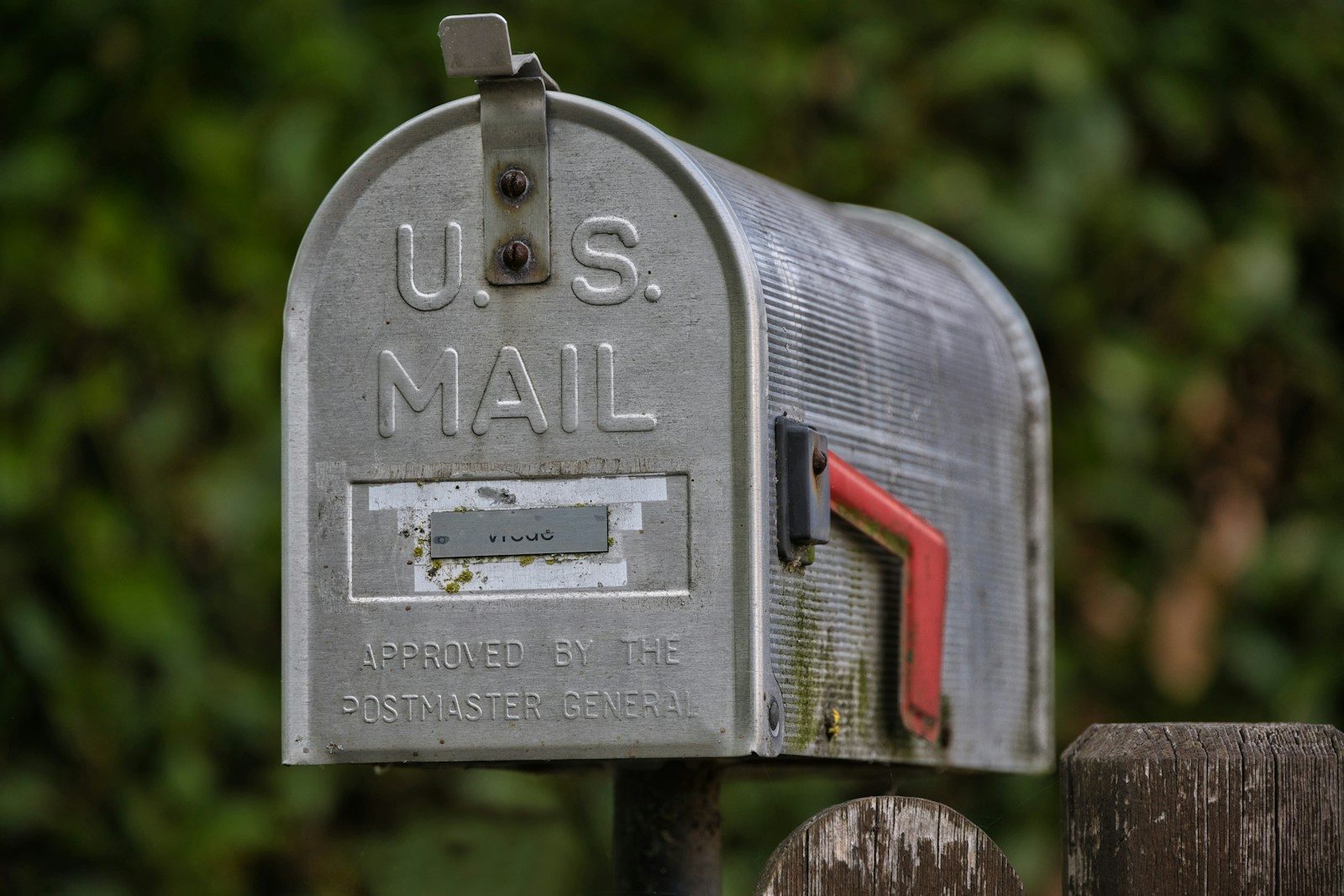
Closing day comes and goes, and homeowners rarely think about their old address again until a piece of mail meant for them ends up in a stranger’s hands, or worse, something important never reaches them at all. Understanding what actually happens to mail addressed to your old home, and what you should proactively do about it, prevents this small but genuinely important detail from becoming an actual problem.
Why This Matters More Than People Initially Assume
Mail continues arriving at your old address for weeks or even months after closing, from businesses, government agencies, and personal contacts who have not yet updated their records, some of it routine, some of it containing sensitive personal or financial information.
What the New Owner Is Actually Obligated to Do
Technically, a new owner is supposed to either forward or return mail not addressed to them, though this is not always handled promptly or consistently, meaning you should not rely entirely on the new owner’s diligence to protect your own mail.
Why Setting Up Mail Forwarding Yourself Matters
Filing a change of address with the postal service before or immediately after closing ensures mail gets automatically redirected to your new address for a set period, typically twelve months, without depending on anyone else’s cooperation or attentiveness.
What Forwarding Does Not Actually Cover
Mail forwarding does not extend indefinitely, and it does not necessarily catch every single sender, particularly ones using an outdated address from years earlier that may not update even after your forwarding period has run its course.
Why Proactively Updating Your Address Elsewhere Still Matters
Beyond postal forwarding, directly updating your address with your bank, employer, insurance providers, and any subscriptions or memberships prevents important mail from relying on forwarding at all, catching potential gaps before they become a genuine problem.
What to Do About Sensitive Financial Mail Specifically
Prioritizing address updates with financial institutions, banks, credit card companies, investment accounts, matters most given the sensitivity of what they typically send, worth handling directly and promptly rather than assuming forwarding alone will adequately protect this specific category of mail.
Why This Connects to Broader Identity Protection
Mail containing personal financial information reaching the wrong hands, even briefly, represents a genuine, if often overlooked, privacy and security risk, making this small administrative task worth taking seriously rather than treating as an afterthought.
How This Fits Into the Broader Picture of What Follows Your Sale
Your credit report reflects your sale in its own specific way, worth understanding alongside this mail forwarding discussion since both represent the kind of practical, easy-to-overlook details that genuinely deserve attention once your sale has closed.
Handling This Simple but Important Detail
Filing your postal forwarding request and updating your address directly with your most important accounts, ideally before or right at closing rather than weeks afterward, closes this small gap before it has any chance to become a genuine inconvenience or risk.
Leave a Reply