
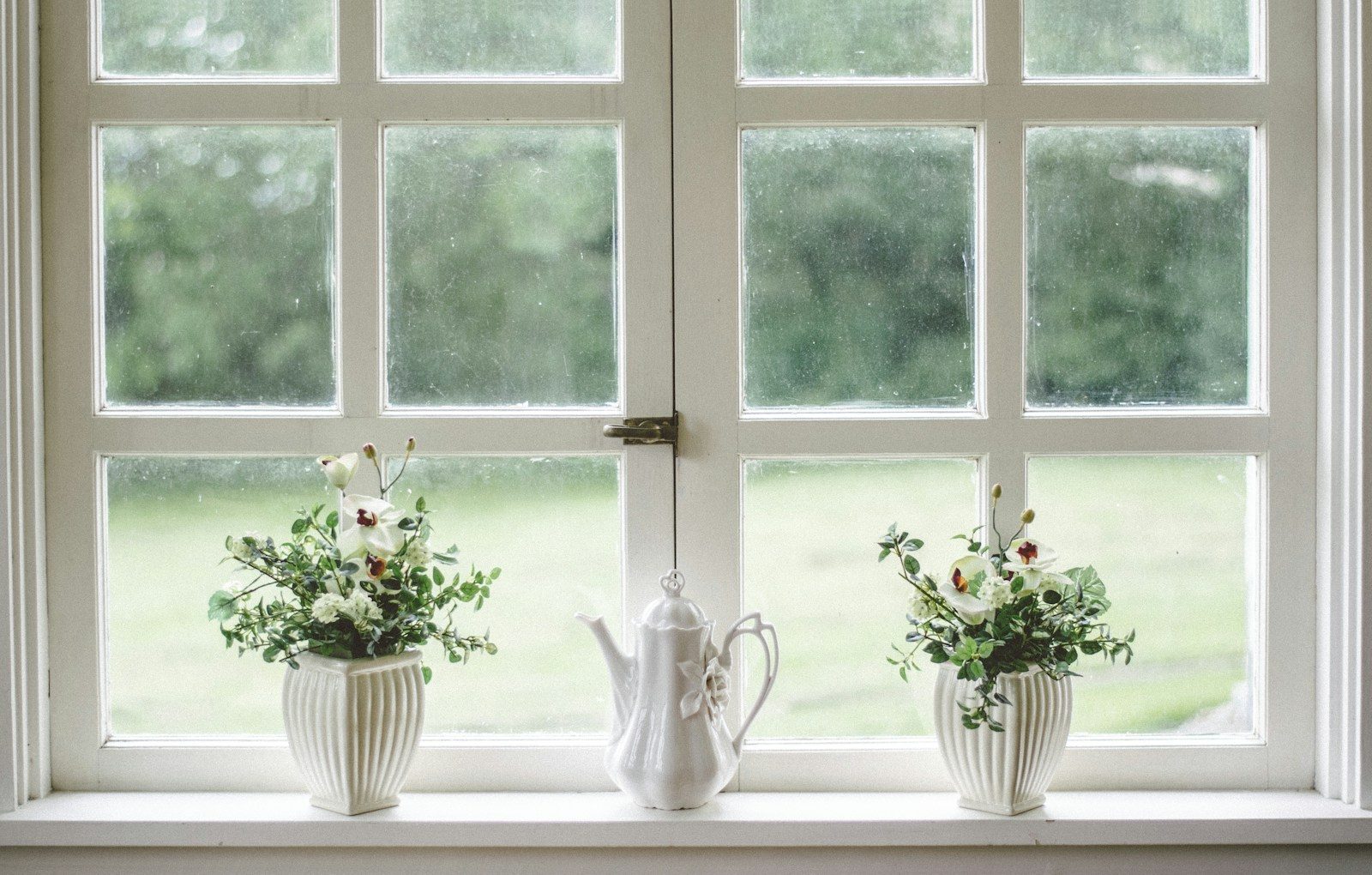
Original windows on an older home get discussed constantly in terms of energy efficiency and curb appeal, though their effect on insurance coverage and cost is a factor many homeowners never consider until it directly affects their own policy. Understanding this connection adds an important dimension to how you think about this specific, highly visible condition factor.
Why Insurers Care About Window Age and Type
Older, single-pane windows offer less protection against storm damage, particularly wind-driven debris, compared to modern, impact-resistant options, a factor some insurers specifically weigh when calculating premiums or determining eligibility for certain coverage in storm-prone regions.
How This Varies Considerably by Geographic Region
This factor matters most significantly in areas with genuine storm or hurricane risk, where insurers scrutinize window type closely, while in regions without this specific weather exposure, window age affects insurance considerably less, mattering more for energy efficiency and general value than for coverage eligibility itself.
Why This Sometimes Surprises Homeowners Shopping for New Coverage
A homeowner accustomed to their current, long-held policy sometimes discovers, only when shopping for new insurance or when a new owner attempts to secure their own coverage, that original windows are affecting quotes or eligibility in ways they never previously realized applied to their specific situation.
How This Affects a Buyer’s Evaluation Beyond Simple Repair Cost
Beyond the straightforward cost of eventual window replacement, a buyer in a storm-prone area may specifically factor in how original windows affect their own future insurance costs or options, an additional consideration layered on top of the standard repair evaluation.
What Window Replacement Actually Costs
Full-home window replacement varies considerably based on the number of windows, materials chosen, and local labor rates, though this represents a well-understood, predictable repair category we price using current, area-specific contractor figures.
Why Partial Replacement Sometimes Does Not Fully Resolve This Insurance Factor
Replacing only some windows while leaving others original sometimes still leaves a property short of qualifying for certain insurance discounts or coverage tiers that specifically require full-home compliance, worth understanding if insurance considerations are genuinely driving your interest in this topic.
How This Connects to Storm Shutters as an Alternative
In some regions, adding storm shutters over existing original windows offers an alternative path to certain insurance benefits without the full cost of window replacement, an option worth researching if your property sits in a genuinely storm-affected area.
Why This Factor Rarely Changes Our Basic Evaluation Approach
Regardless of the insurance angle, we still evaluate window condition and age using the same straightforward repair cost approach, since this insurance consideration primarily affects a buyer’s own future planning rather than changing how we assess the property’s current condition itself.
How This Compares to Other Pest and Material Concerns
Termite damage beyond the obvious signs represents a different category of condition issue worth understanding as well, illustrating how various property characteristics can carry implications, insurance-related or otherwise, that extend beyond their immediate, visible repair cost.
Understanding This Added Dimension to a Familiar Issue
Original windows were already a familiar repair category, and understanding this additional insurance dimension, particularly if you are in a storm-prone region, gives you a more complete picture of why this specific condition factor sometimes matters more than its repair cost alone might suggest.
Leave a Reply