
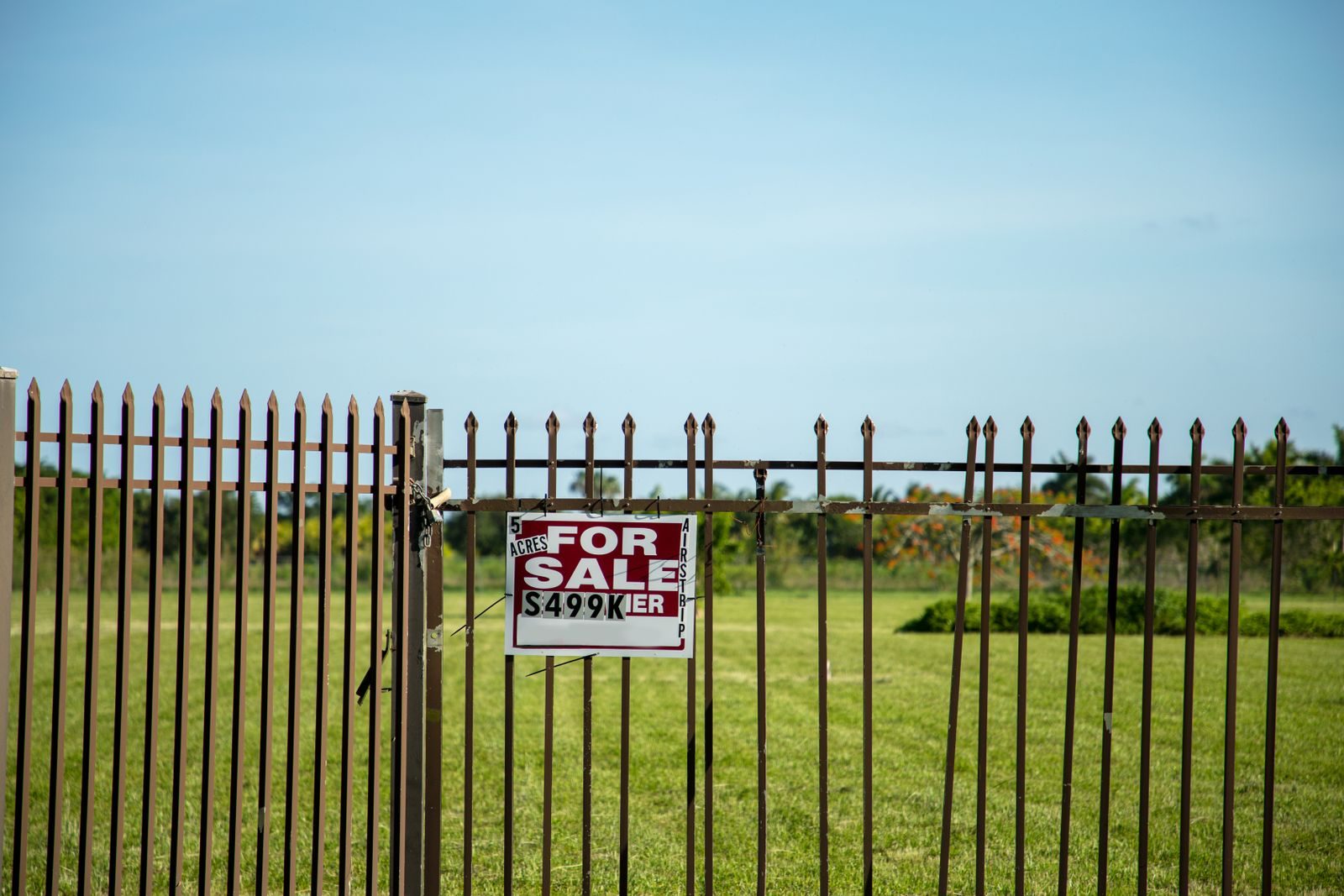
A homeowner on a genuinely large lot occasionally wonders whether subdividing the property before selling, creating two or more separate parcels rather than one larger combined property, might produce a stronger overall financial outcome than simply selling everything together as a single unit. This is a genuinely complex decision worth understanding thoroughly before committing to either path.
Why Subdividing Sometimes Appeals to Homeowners
The theoretical appeal is straightforward, two or more separate buildable lots might collectively sell for more than one larger combined property, particularly in an area where smaller, more affordable lots see strong individual buyer demand compared to a single large parcel that only a narrower pool of buyers might be genuinely interested in purchasing as one unit. This is especially true in growing suburban or urban-adjacent areas where new construction demand is genuinely strong and smaller, buildable lots command real premium pricing.
What Subdividing Actually Requires Before You Ever See a Dollar of Additional Value
This process requires navigating local zoning and subdivision regulations, which vary enormously by municipality, sometimes requiring a formal survey, engineering review, and a lengthy approval process that can take months or occasionally longer than a year depending on your specific local government’s process and current workload. Costs during this process include survey fees, engineering and planning fees, and sometimes infrastructure requirements, ensuring each new parcel has proper access, utility connections, and meets minimum lot size and other zoning requirements before it can actually be sold as an independent, buildable lot.
None of these costs or requirements are guaranteed to result in approval, meaning a homeowner pursuing this path takes on genuine upfront risk and expense without certainty that the subdivision will ultimately be approved or that the resulting parcels will actually sell for meaningfully more than the original combined property would have.
Why Selling as a Whole Lot Often Makes More Practical Sense
Selling your property as a single, whole lot avoids all of this upfront cost, time, and approval risk, converting your property into proceeds considerably faster and with much greater certainty about the actual outcome. A cash buyer evaluating a large lot sometimes has their own plans for subdivision or development, meaning they may be willing to pay a price reflecting this potential themselves, effectively letting a buyer with genuine development expertise and resources take on this project and its associated risk rather than you personally bearing it.
This approach essentially transfers the subdivision opportunity, and its accompanying risk and complexity, to a buyer better equipped to actually execute on it, while still allowing you to potentially benefit from your lot’s development potential reflected in a stronger offer, without needing to personally navigate the lengthy approval process yourself.
Weighing This Decision With Real, Honest Numbers
If you are seriously considering subdivision, getting a realistic estimate of both the costs and timeline involved from a local surveyor or land use attorney, then comparing this honestly against a straightforward whole-lot sale, gives you the actual information needed to decide rather than relying purely on a theoretical sense that subdividing must be more profitable. How much to tell a buyer about why you are selling represents a very different kind of decision, though both illustrate the same underlying principle worth applying broadly throughout this process, running the real numbers and understanding actual tradeoffs consistently produces better decisions than acting on assumption alone.
For most homeowners, particularly those without significant time, capital, or interest in personally managing a lengthy approval and development process, selling as a whole lot to a buyer equipped to handle any subdivision or development potential themselves represents the more practical, lower-risk path forward.
Leave a Reply