
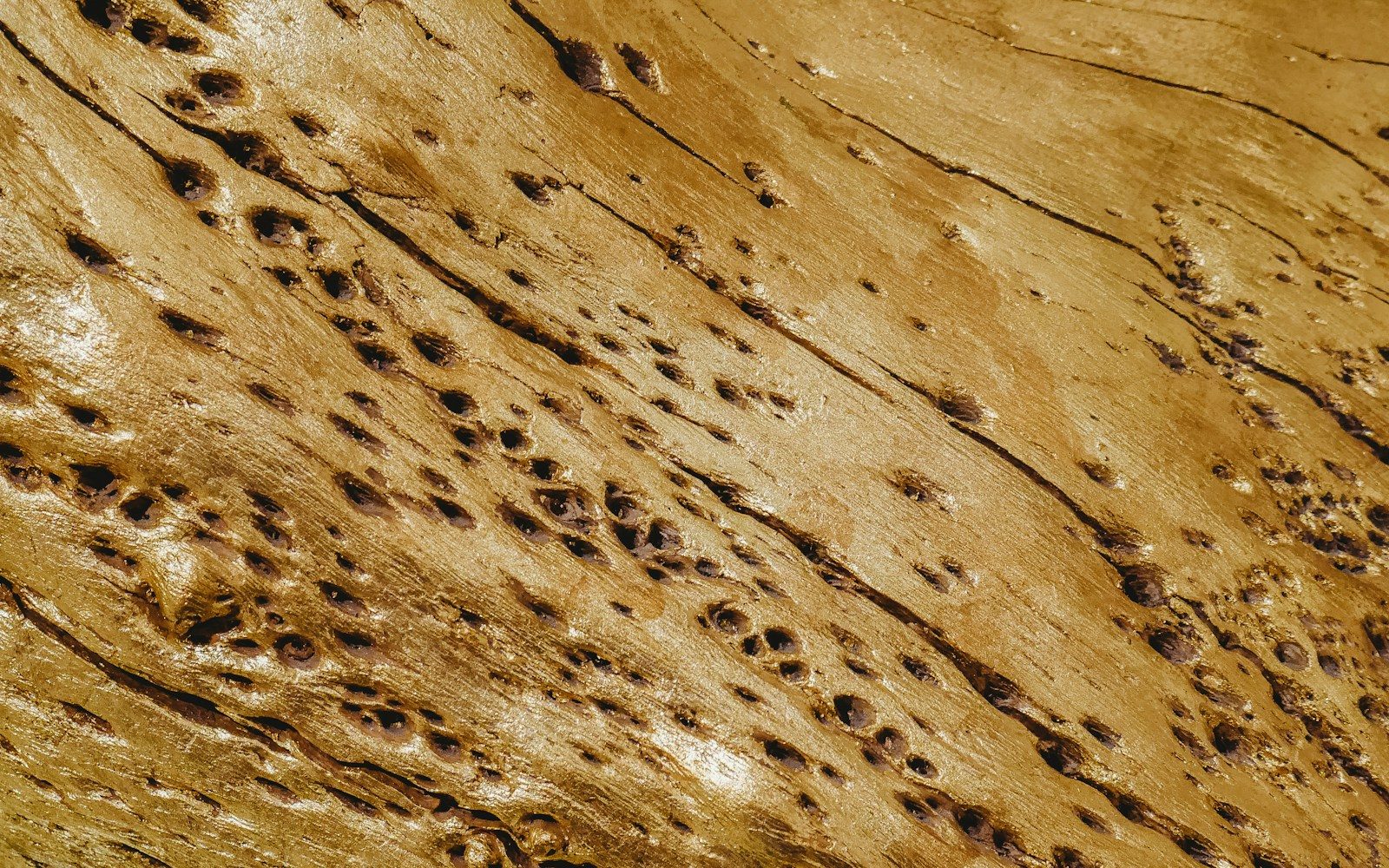
Most homeowners picture termite damage as visibly hollowed wood or the telltale mud tubes climbing a foundation wall, obvious signs that are relatively easy to spot. The reality is that significant termite damage often hides in less visible places, and understanding these less obvious indicators helps you, and any buyer evaluating your property, catch a real problem before it becomes considerably more expensive to address.
Why the Most Visible Signs Are Not the Only Ones That Matter
Mud tubes and visibly damaged wood represent clear, unmistakable evidence, but termites often cause significant structural damage well before reaching this obviously visible stage, meaning relying solely on these dramatic signs means missing damage that has already been developing for some time.
What Subtle Signs Actually Look Like
A slight hollow sound when tapping on wood trim or structural framing, small piles of what looks like sawdust near baseboards or window frames, and paint that appears to be bubbling or peeling in a pattern inconsistent with simple moisture damage can all indicate termite activity well before more obvious signs develop.
Why Certain Areas Deserve Closer Attention Than Others
Areas where wood meets soil or concrete, deck supports, porch posts, and the base of exterior walls, represent the most common entry points and therefore the areas most likely to show early, subtle signs before damage spreads more visibly elsewhere.
Why a Past Treatment Does Not Guarantee No Ongoing Damage
A property previously treated for termites is not automatically free of any residual structural damage, since treatment stops active infestation but does not repair whatever damage already occurred before the treatment was applied, a distinction worth understanding when reviewing any past pest treatment documentation.
How We Approach This During Our Evaluation
We look specifically at the higher-risk areas described above, checking for these subtler signs rather than relying solely on the most obvious, dramatic evidence, since a thorough evaluation genuinely requires looking beyond what is immediately visible from a casual glance.
Why Professional Inspection Sometimes Becomes Necessary
If we observe signs suggesting possible termite activity or past damage, we sometimes recommend a professional pest inspection specifically, since accurately assessing the true extent of structural damage often requires more specialized tools and expertise than a general property walkthrough alone can provide.
How This Actually Gets Priced Into an Offer
Confirmed termite damage gets priced based on the actual structural repair needed, which varies enormously depending on severity, from relatively minor trim replacement to significant structural framing repair, a range wide enough that professional assessment genuinely matters for pricing this accurately.
Why Sharing Any Known Pest History Helps You Directly
Providing any documentation of past termite treatment or previous repair work helps us evaluate your property more accurately, distinguishing between historical, already-addressed damage and any potentially ongoing concern.
How This Connects to Other Long-Term Structural Concerns
A poorly ventilated attic represents a different but related category of hidden, gradually developing property concern, worth understanding alongside termite damage since both illustrate how certain issues develop quietly over time rather than announcing themselves clearly and immediately.
Approaching This Finding With Informed Attention
Termite damage, whether obvious or subtle, is a solvable, well-understood repair category, and understanding the fuller range of signs helps ensure nothing significant goes unnoticed during your property’s evaluation.
Leave a Reply