
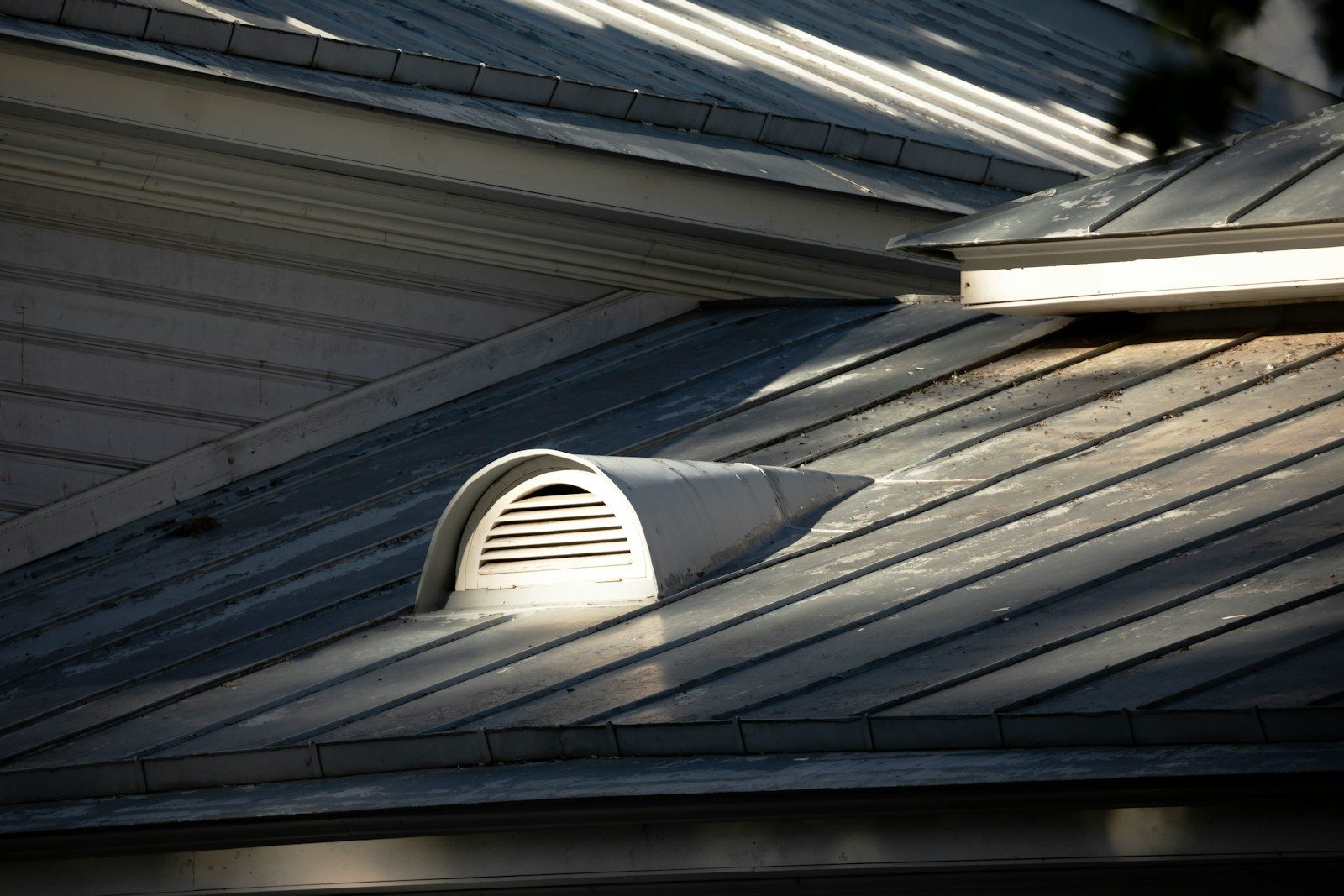
An attic is not a space most homeowners think about regularly, tucked away and rarely visited, which is exactly why ventilation problems in this specific area often develop quietly over years before their cumulative effects become genuinely apparent elsewhere in the home.
Why Attic Ventilation Matters More Than Its Obscure Location Suggests
Proper attic ventilation regulates temperature and moisture, preventing heat buildup in summer and moisture accumulation in winter, both of which, left unaddressed over time, can cause damage extending well beyond the attic space itself.
What Poor Ventilation Actually Does Over Time
Excess heat trapped in a poorly ventilated attic during summer months can shorten roofing material lifespan considerably, while moisture accumulation during colder months, from condensation and inadequate airflow, creates conditions for mold growth and can gradually damage wood framing and insulation.
Why This Damage Often Goes Unnoticed for Years
Since attics are rarely visited spaces, the gradual effects of poor ventilation, subtle wood discoloration, slowly developing mold, premature roofing deterioration, often go unnoticed until either a roof replacement reveals the underlying damage, or a more visible sign like a ceiling stain finally draws attention to a problem that has actually been developing for years.
What We Look For When Evaluating This Specific Issue
We check for visible signs of moisture damage or mold on attic framing, adequate soffit and ridge ventilation, and any evidence of premature roofing wear that might connect back to inadequate airflow beneath the roof deck itself.
Why This Connects Directly to Roof Lifespan
Excess heat buildup in a poorly ventilated attic can meaningfully shorten how long roofing materials actually last, meaning a home with this issue sometimes needs roof replacement sooner than its materials alone would otherwise suggest, an important connection worth understanding when evaluating overall repair needs.
How Improving Ventilation Actually Works
Adding proper soffit vents, ridge vents, or in some cases mechanical ventilation fans addresses this issue directly, a moderate repair cost considerably smaller than the cumulative damage inadequate ventilation can eventually cause if left unaddressed for years.
Why Addressing This Proactively Genuinely Saves Money Long Term
A homeowner who addresses attic ventilation issues before they cause secondary damage, premature roof wear, mold, structural moisture damage, saves considerably compared to the cost of addressing both the ventilation problem and its resulting downstream damage after the fact.
How This Factors Into Our Evaluation
We price both the ventilation improvement itself and any evidence of resulting damage separately, giving you a clear picture of what this specific issue actually involves rather than a single, undifferentiated deduction that does not distinguish between the root cause and its downstream effects.
Why Sharing Any Known History Helps Us Evaluate This Accurately
If you know your attic ventilation has been a longstanding concern, or if you have already made improvements, sharing this information helps us assess the situation accurately rather than assuming the worst-case scenario for an issue we cannot fully evaluate through a single visual inspection alone.
How This Compares to Other Aging Home Systems
Galvanized plumbing represents another category of gradually developing, often overlooked older-home issue worth understanding alongside attic ventilation, both illustrating how certain problems compound quietly over years before becoming genuinely apparent.
Approaching This Often-Overlooked Issue With Real Attention
Attic ventilation rarely gets the attention it deserves simply because the space itself is so rarely visited, though understanding its long-term effects helps explain why this specific, often-overlooked issue deserves genuine consideration during any thorough property evaluation.
Leave a Reply