
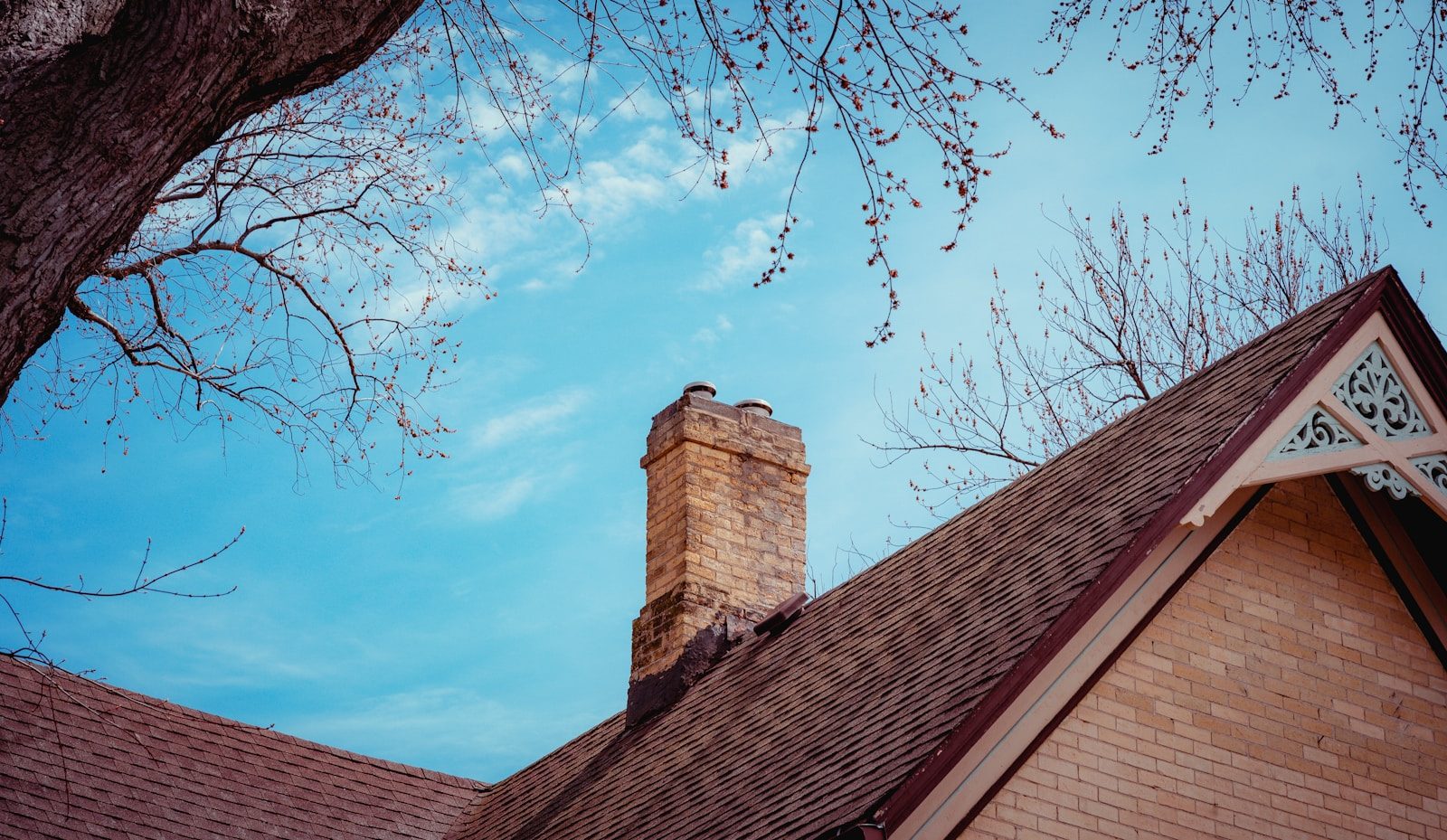
A chimney visibly tilting away from a house tends to alarm homeowners more than almost any other exterior condition issue, conjuring images of a home slowly collapsing in on itself. The reality is usually less dramatic, though understanding what actually causes this specific problem, and what it genuinely costs to address, replaces that alarm with a clearer, more accurate picture.
Why Chimneys Lean in the First Place
A chimney sits on its own separate foundation, distinct from the home’s main foundation, and this separate footing can settle independently over time, particularly in soil prone to shifting, creating a gradual lean that has nothing to do with the structural integrity of the house itself.
Why This Separation From the Main Structure Actually Matters
Because a chimney has its own foundation, a leaning chimney does not automatically mean the home’s primary structure is compromised, an important distinction that separates this issue from something like a leaning wall, which would signal a far more serious concern.
What We Look For to Assess Severity
The degree of lean, whether it is worsening or has stabilized, and any visible separation between the chimney and the house itself all factor into understanding whether this is a cosmetic concern or a genuine safety issue requiring more immediate attention.
When a Leaning Chimney Becomes a Safety Concern
A chimney leaning significantly, particularly one showing visible separation or crumbling mortar at the point where it meets the roofline, can pose a real risk of partial or full collapse, a situation requiring prompt professional evaluation rather than simply monitoring the issue over time.
What Repair Actually Involves
Depending on severity, this ranges from repointing mortar and reinforcing the existing structure, a relatively modest repair, to complete chimney rebuild, a considerably larger project, particularly if the underlying foundation itself needs correction as well.
How This Gets Priced Into an Evaluation
We price this based on the specific severity observed, using current local masonry contractor rates, rather than applying a blanket assumption that every leaning chimney requires the most extensive, expensive repair possible.
Why a Chimney No Longer in Use Still Matters
Even a decorative or unused chimney factors into an evaluation, since its structural condition still affects the property’s overall safety and appearance regardless of whether it is actively venting a fireplace or furnace.
How This Connects to Other Exterior Material Concerns
Asbestos siding represents a different category of older-home condition issue worth understanding alongside chimney concerns, both reflecting the kind of age-related exterior conditions that alarm homeowners more than the actual situation usually warrants once properly assessed.
Approaching This Finding With Accurate Information
A leaning chimney is a real, worth-addressing condition issue, though in the majority of cases we evaluate, it is a solvable, moderately priced repair rather than a sign of a fundamentally compromised home.
Leave a Reply